AI and Art
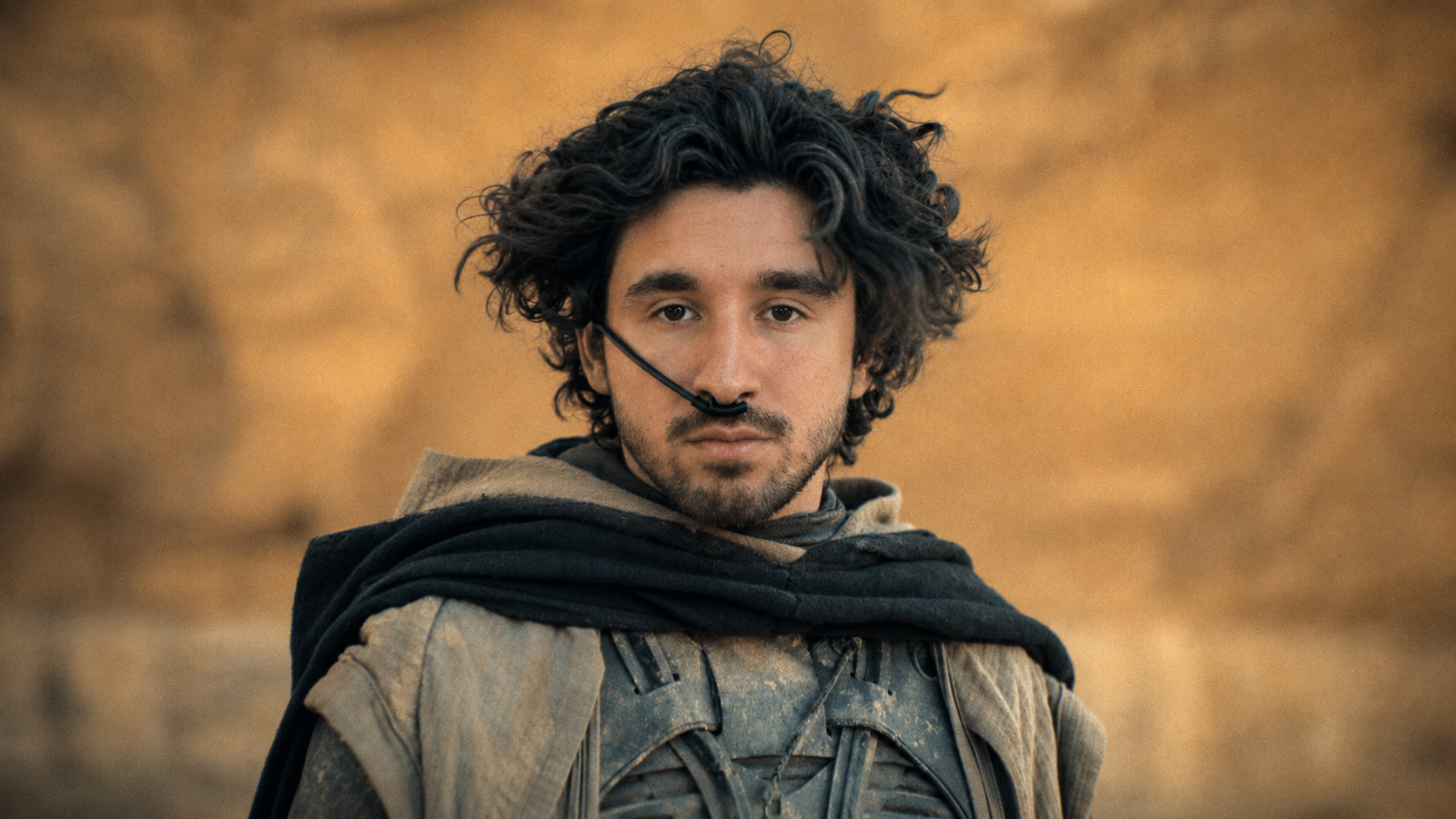
As the child of two literature teachers, I grew up in a home where art, books, imagination, and the time spent on meaningful creation were always valued. At the same time, being raised by educators also meant growing up with a certain discipline. Compared to many of my peers, I was introduced to computers, phones, and the internet later than most. My family wanted me to spend more time with school, books, and my own imagination while it was still strong enough to grow freely.
Today, when even four-year-old children often have access to their own technological devices, it feels strange to remember that I got my first phone only when I started high school. Before that, little Ibrahim was still trying to keep a broken computer alive with a television screen and an external keyboard. Compared to my friends, I separated from my toys and entered the digital world a few years late.
At the time, I could not fully understand why my family made these choices. But now I realize that they were not trying to keep me away from the future. They were trying to pass on the values that had shaped them: patience, imagination, reading, discipline, and respect for art. I wanted to begin with this because it is an important part of how I see technology today.
The Moment I Started Thinking About This
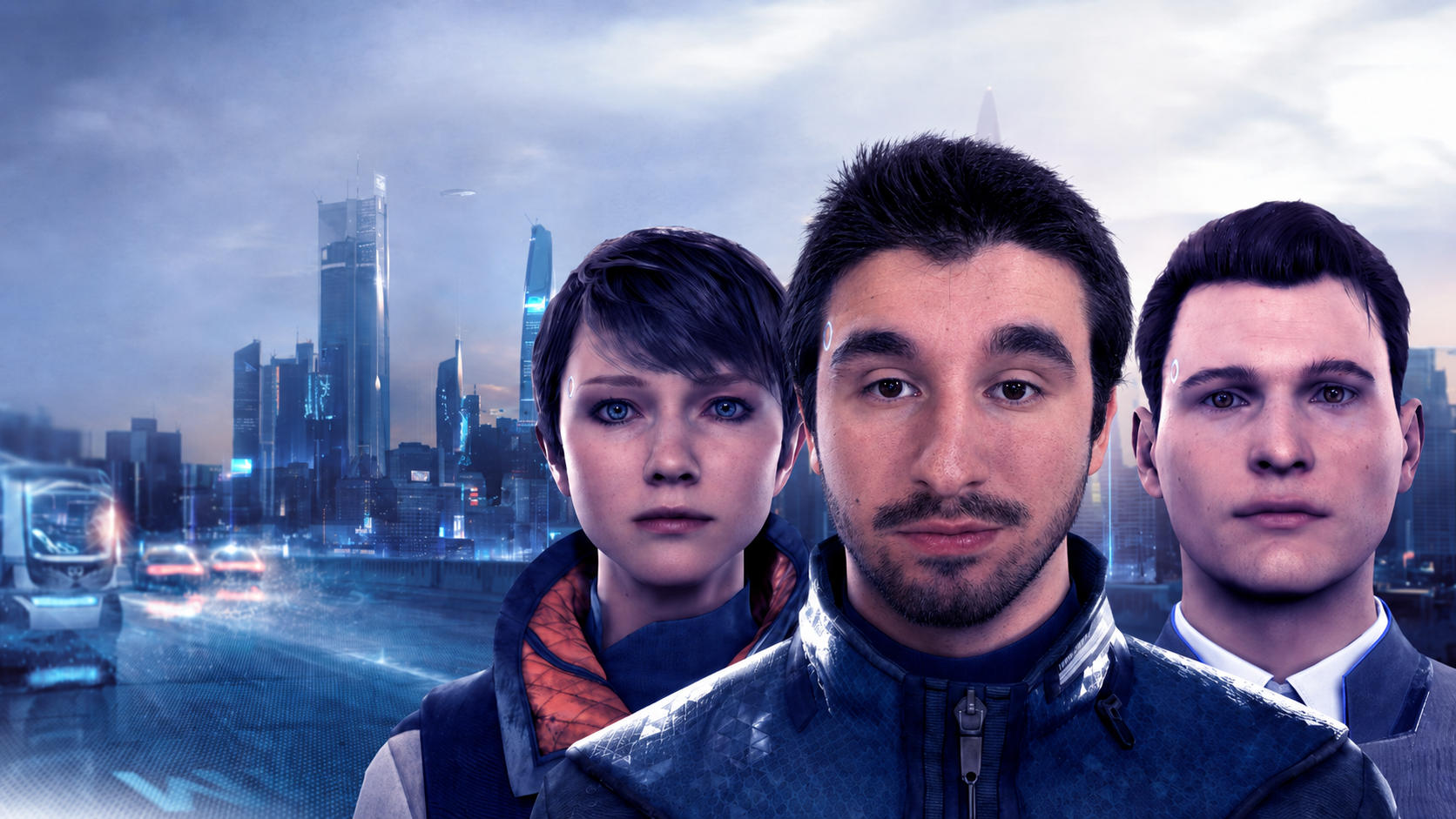
Recently, because of a friend’s recommendation, I started following the story of a game called Clair Obscur: Expedition 33. To be honest, I had already lost some of my excitement for playing video games myself, maybe because I did not have many opportunities to play them when I was younger. So instead of playing it directly, I asked my friend to do what we often do: open Discord, share his screen, and tell me the story through the visuals, scenes, music, and cutscenes.
Because of my interest in artistic works, and because I had already listened to the game’s soundtrack, I was immediately drawn into its world. For five or six hours, my friend explained the story to me, and after watching the cutscenes, I started thinking about something unexpected: maybe the AI tools that I spend so much of my day using are not destroying art. Maybe, from another perspective, they are opening the door to a modern renaissance.
The Modern AI Renaissance
Throughout my life, I have often thought about the unfairness of the world order. I have wondered whether there is still hope for good people when the power of bad actors seems to grow every day. But over time, I have also had the chance to meet some of the most realistic and hopeful people in the world. I have seen people who still try to build, help, create, and resist hopelessness, even when the conditions are difficult.
So yes, I believe good people can still change the world in a positive way. But the difficult question is: how? How can this happen when all the obvious reasons seem silent? How can good people compete when mathematical calculations, money, institutions, and power do not seem to be on their side?
My answer is technology.
Artificial intelligence is called a revolution, or even the beginning of a new era, because it has the potential to make the world a little more fair. Companies and governments have often tried to control society, shape culture, and turn people into passive consumers. But now, through powerful technological tools, ordinary people can turn their own ideas, ideals, and dreams into real products.
This means that small groups of three or five people may soon be able to challenge huge studios. Small startups may compete with giant corporations. Independent creators may tell stories that would once have required millions of dollars and massive production teams.
If a more just world is close, one reason may be this: technological progress does not only serve the powerful. In the hands of good people, it can become a tool strong enough to challenge those who use art, media, and culture only for profit, manipulation, or control.
And perhaps the strongest side of this revolution is artistic. AI gives more people the ability to say: “We are here. This is what we believe. This is what we see as truth.”
But Is AI Really Art?
I understand that some people do not want to call AI-generated work “art.” But I cannot fully agree with that view.
For years, the world has accepted massive productions with million-dollar budgets as art. Yet many of these works are shaped by economic interests, brand strategies, and social manipulation. If a small team, or even one sincere person, can use AI to create something beautiful, meaningful, and morally powerful with a limited budget, why should we reject it immediately?
For me, the value of art does not come only from the difficulty of the tool. It comes from the intention, the message, the emotional truth, and the benefit it brings to humanity.
If someone brings me a symphony written by an artist who does not care about society, justice, or human dignity, I may not even want to listen to it. But the whistle of a shepherd who loves people, dreams of peace, and carries sincerity in his heart may be worth more than a hundred grand symphonies.
Art is not only about technique. Art is about purpose.
Art Is Not Artificial
Dear lovers of art, art itself is not artificial.
Maybe the new instruments we use for art can be artificial. Maybe our brushes are now algorithms, our canvases are screens, and our studios are AI tools. But the dream, the intention, the pain, the hope, and the truth still come from human beings.
So do not lose your direction. Do not move away from your purpose. Whatever you believe is useful for the world, for humanity, for justice, and for beauty, express it with the tools of your time.
Every generation has its own instruments. Ours may be artificial intelligence.
The important question is not whether the tool is artificial. The important question is whether the soul behind it is sincere.
If we use these new technologies with good intentions, we may not only create better art. We may also help make the world a more beautiful place.
The tool may be artificial, but the intention is human.
I.S.A